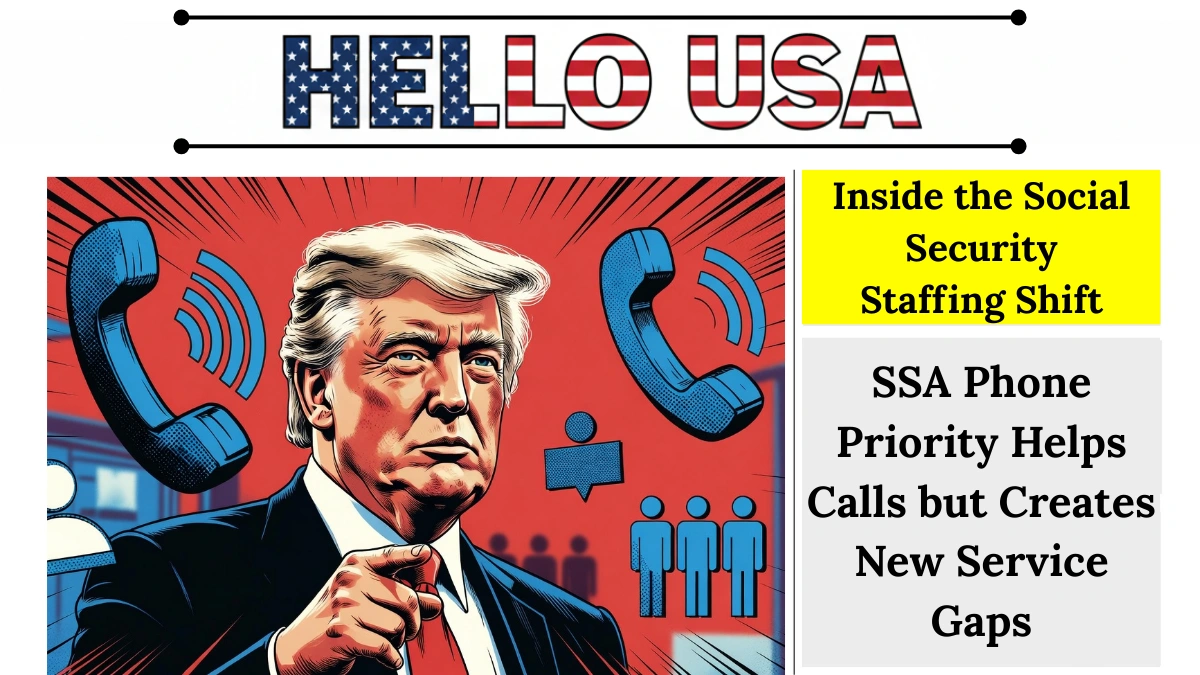
Inside the Social Security Staffing Shift: Social Security Administration is reshuffling staff and resources to prioritize phone services, a move that’s already changing how millions of Americans interact with the agency. The shift aims to cut call wait times—but it may also create new challenges for certain groups.
Why Phone Lines Are Being Prioritized
Call volumes to Social Security have surged as beneficiaries seek help with claims, benefit changes, and identity verification. Long hold times and dropped calls have drawn criticism from lawmakers and advocacy groups. By reallocating staff toward phone support, the agency hopes to deliver faster answers for the largest share of inquiries.
In short: more people call than visit offices, and the agency is chasing the biggest bottleneck.
What’s Changing Behind the Scenes
To staff phone lines, employees are being moved from other functions—most notably in-person assistance and some back-office processing. Training schedules are being accelerated, and performance targets are increasingly focused on call handling metrics like average wait time and call resolution.
Who Benefits from the Shift
- Phone-first users: Seniors and beneficiaries who rely on calling rather than traveling to an office may see quicker connections.
- Rural communities: Areas with fewer field offices could benefit if phone access improves reliably.
- Time-sensitive cases: Faster phone triage can help address urgent issues like payment disruptions.
Who Could Be Affected Negatively
- In-person visitors: Reduced staffing at field offices may mean longer waits or fewer appointment slots.
- Complex cases: Issues that require face-to-face support—disability evaluations, appeals guidance, or language assistance—could take longer.
- Backlogs elsewhere: Diverting staff may slow document processing, reviews, or follow-ups behind the scenes.
Accessibility and Equity Concerns
Advocates warn that phone-only solutions don’t work for everyone. Hearing impairments, language barriers, and limited phone access can make calls difficult. If in-person options shrink too much, vulnerable populations may be left with fewer effective ways to get help.
Is This a Temporary Fix or a Long-Term Strategy?
The agency frames the change as a response to immediate demand, but critics worry it signals a longer-term pivot away from in-person service. Whether this becomes permanent will depend on funding, staffing levels, and whether phone performance gains translate into overall service improvements.
What Beneficiaries Can Do Now
- Plan ahead: Call during off-peak hours when possible.
- Use multiple channels: Online accounts and written requests can reduce reliance on calls.
- Document interactions: Keep records of calls and case numbers in case follow-ups are needed.
Conclusion: Prioritizing phone lines may ease one pain point, but it risks creating others. The Social Security staffing shift highlights a tough tradeoff between speed and access. How well the agency balances phone efficiency with in-person and back-office support will determine whether this move truly improves service—or simply moves the delays elsewhere.
Disclaimer: This analysis is based on publicly reported information and agency statements. Service levels and staffing decisions may change as funding, demand, and policy priorities evolve.