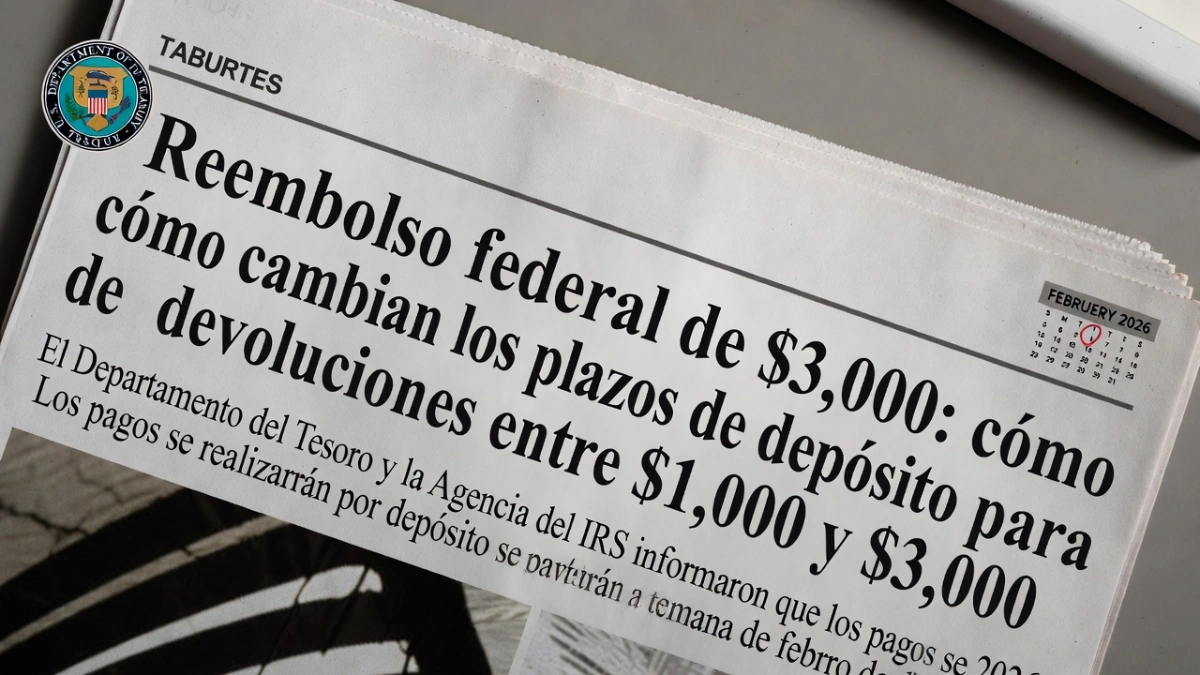
Millions of Americans are expecting federal tax refunds between $1,000 and $3,000 this year. Understanding the updated processing timeline can help you plan your finances. Refunds are issued by the Internal Revenue Service, and most payments follow a predictable calendar based on filing and acceptance dates.
Here’s what you should know about 2026 refund timing.
How the 2026 Refund Calendar Works
The IRS generally issues refunds within 21 days for taxpayers who file electronically and choose direct deposit. Paper returns take longer due to manual processing and mailing times.
Your refund timeline begins when the IRS officially accepts your return, not the day you submit it.
Estimated Deposit Windows for 2026
Taxpayers who file in late January and are accepted quickly may receive refunds by mid-February.
February filers typically see deposits in late February or early March.
March filers usually receive refunds within three weeks of acceptance, often in late March or early April.
April filers may see deposits extend into late April or May, depending on peak season processing volumes.
Does a $1K–$3K Refund Change the Timeline
In most cases, the amount of your refund does not affect how quickly it is processed. Whether you are receiving $1,000 or $3,000, the timeline depends more on filing accuracy and whether your return requires additional review.
Claims involving certain refundable credits may experience slight delays due to verification requirements.
Common Reasons for Processing Delays
Errors in personal information
Income mismatches with employer records
Missing documentation
Identity verification checks
Incorrect bank account details
Filing carefully and reviewing all tax documents before submission helps avoid these issues.
How to Track Your Refund
Taxpayers can use the official IRS refund tracking tool online. Status updates typically appear within 24 hours after electronic filing. You will need your Social Security number, filing status, and exact refund amount to check progress.
Tips to Get Paid Faster
File electronically instead of mailing a paper return.
Choose direct deposit rather than a paper check.
Double-check all income forms and personal details.
Respond promptly to any IRS notices.
Taking these steps reduces the risk of delays.
Conclusion: For 2026, most taxpayers expecting refunds between $1,000 and $3,000 will receive direct deposits within approximately 21 days of IRS acceptance. Filing early, ensuring accuracy, and choosing direct deposit remain the best strategies for faster payment.
Disclaimer: Refund amounts and timelines vary based on individual tax filings and IRS processing conditions. This article provides general information only and should not be considered tax advice. Consult official IRS resources or a qualified tax professional for personalized guidance.